
Ways to Pay Off Debt - Your Roadmap to Financial Freedom
06/15/2026
By: HCCU
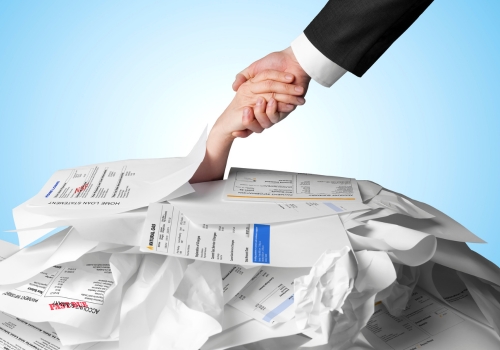
Debt can sometimes feel overwhelming, especially when multiple balances and interest rates make it difficult to see a clear path forward. The good news is that with the right strategy and consistent effort, you can regain control of your finances.
In this guide, we’ll walk through practical debt management tips and debt payoff strategies that can help you reduce what you owe and move closer to financial freedom.
What is Debt Management?
Debt management is a deliberate strategy to control your debt and reduce what you owe over time. It’s a proactive way to take charge of your financial situation so you can build a more secure future.
Most effective debt management plans include several key steps that work together to reduce debt over time. Here’s how each step works.
Step 1: Identify All Your Debts
The first step to tackle your debt is to make a list of all of your balances. This should include credit card debt, personal loans, unpaid medical bills, and any other outstanding debts.
Include the following information for each debt:
- Current balance
- Interest rate
- Minimum monthly payment
Many people find it helpful to gather recent statements or log into their accounts to make sure the information is accurate.
Step 2: Set Clear and Realistic Goals
Establish clear goals for paying off your debt. This could be a timeline for becoming free of debt, paying off a particular balance, or similar objectives. Be sure that your goals align with your financial situation.
Remember that reducing debt takes time and effort. Recognizing small milestones along the way can help keep you motivated as you make progress.
Step 3: Create and Stick to a Budget
A budget helps you identify opportunities to reduce spending so you can put more money toward paying off debt. Reviewing your recent spending can help you spot areas where small changes may free up extra funds for debt repayment. Some people start by reviewing the past two or three months of spending to see where small adjustments could free up extra money for debt payments.
Many people use one of the following debt payoff strategies to guide how they apply extra money toward their balances:
- Snowball Method: Focus on paying off the smallest balance first while making minimum payments on other debts. Once the smallest debt is paid off, move on to the next smallest balance. This approach can help build motivation by creating quick wins.
- Avalanche Method: Focus on paying off the debt with the highest interest rate first while making minimum payments on other debts. This strategy typically saves more money in interest over time.
Step 4: Prioritize Your Payments
Once you understand your debts and have created a budget, decide how you will prioritize your payments. Making consistent payments is one of the most important parts of managing debt.
Setting up automatic payments can help ensure bills are paid on time and prevent costly late fees. Many people also choose to schedule additional automatic transfers toward their debt each month to help reduce balances faster.
Other Ways to Pay Off Debt
Beyond these four key steps, there are several things you can do to make it easier to pay off your debt.
Secure Lower Interest Rates
Look for opportunities to lower the interest rate on your debt. For example, you can request a lower rate from your credit card issuer if you have a strong payment history.
Another option is using a balance transfer offer to move high-interest credit card balances to a card with a lower promotional rate. Reducing the interest you pay can help more of your payment go toward the principal balance.
Consolidate or Refinance
By consolidating multiple debts into one personal loan, you may be able to simplify your monthly payments and create a clearer repayment timeline. In some cases, consolidation may also help lower your interest rate, though this depends on your credit profile and loan terms.
Refinancing can reduce the interest rate on certain loans. Depending on your financial circumstances, it could allow you to replace an existing loan with one that has a lower rate or a different repayment term. Speaking with your credit union can help you determine whether refinancing is the right option for you.
Seek Professional Help
If you are avoiding creditors or having to choose which credit card you pay each month, then more drastic measures might be required to bring your credit under control. Your options include:
- Bankruptcy: A legal process for individuals who cannot repay certain debts and need protection from creditors through the courts. Some debts may be discharged entirely, and others may be reorganized into a structured repayment plan based on the type of bankruptcy filed. This process can affect your credit score for several years.
- Credit counseling: A credit counselor can help review your financial situation and recommend ways to organize and repay your debt. In some cases, they may help set up a structured debt management plan that simplifies payments and may include reduced interest rates or waived fees from participating creditors.
- Debt settlement: Debt settlement companies negotiate with creditors to accept less than the full balance owed. While this can reduce total debt, these programs can negatively affect your credit score and may involve fees or tax consequences. It’s important to fully understand the risks before pursuing debt settlement.
Frequently Asked Questions About Debt Management
Here are some of the most common questions asked about ways to pay off debt.
How long does it take to pay off debt?
The time it takes to pay off debt depends on how much you owe, your interest rates, and how much you can afford to pay each month. Creating a budget and consistently paying more than the minimum can significantly shorten your repayment timeline.
Should I pay more than the minimum payment on my credit cards?
Yes. Paying only the minimum allows interest to accumulate and can extend your repayment period for years. Paying more than the minimum helps reduce your balance faster and lowers the total interest you pay. It can also improve your credit score over time by lowering your credit utilization ratio.
Does debt consolidation hurt your credit score?
Taking out an additional loan or credit card to consolidate your debt may temporarily lower your credit score. In most cases, however, debt consolidation will actually help improve your credit over time by simplifying payments and reducing your overall credit utilization, as long as you continue making payments on time.
Can I negotiate lower interest rates on my credit cards?
In some cases, yes. Credit card companies may lower your interest rate if you have a strong payment history or if you contact them and request a rate reduction. Even a small reduction in your interest rate can make it easier to pay down your balance faster.
When should I consider credit counseling?
Credit counseling can be helpful if you are struggling to keep up with payments or are unsure how to organize your debt repayment plan. A counselor can help you review your finances and may be able to set up a debt management plan that consolidates your payments.
Will bankruptcy eliminate all of my debt?
Bankruptcy can eliminate some types of debt, but not all. Certain obligations, such as most student loans, child support, and some taxes, generally cannot be discharged, and bankruptcy will have a significant impact on your credit for several years.
Paying off your debt requires patience, a well-defined plan, and a real commitment to live debt-free, but the reward of financial freedom is well worth the effort.
Need Help Managing Your Debt? Heritage is Here for You
If debt is preventing you from reaching your financial goals, Heritage Community Credit Union can work with you to explore options for managing and reducing what you owe.
We offer a range of tools designed to put you back in control of your finances, including flexible fixed-rate personal loans for debt consolidation and low-rate credit cards that can be used for balance transfers. Our team also provides financial guidance to support you as you work toward becoming debt-free.
Get in touch today to discuss options for paying down debt and building a more secure financial future.